
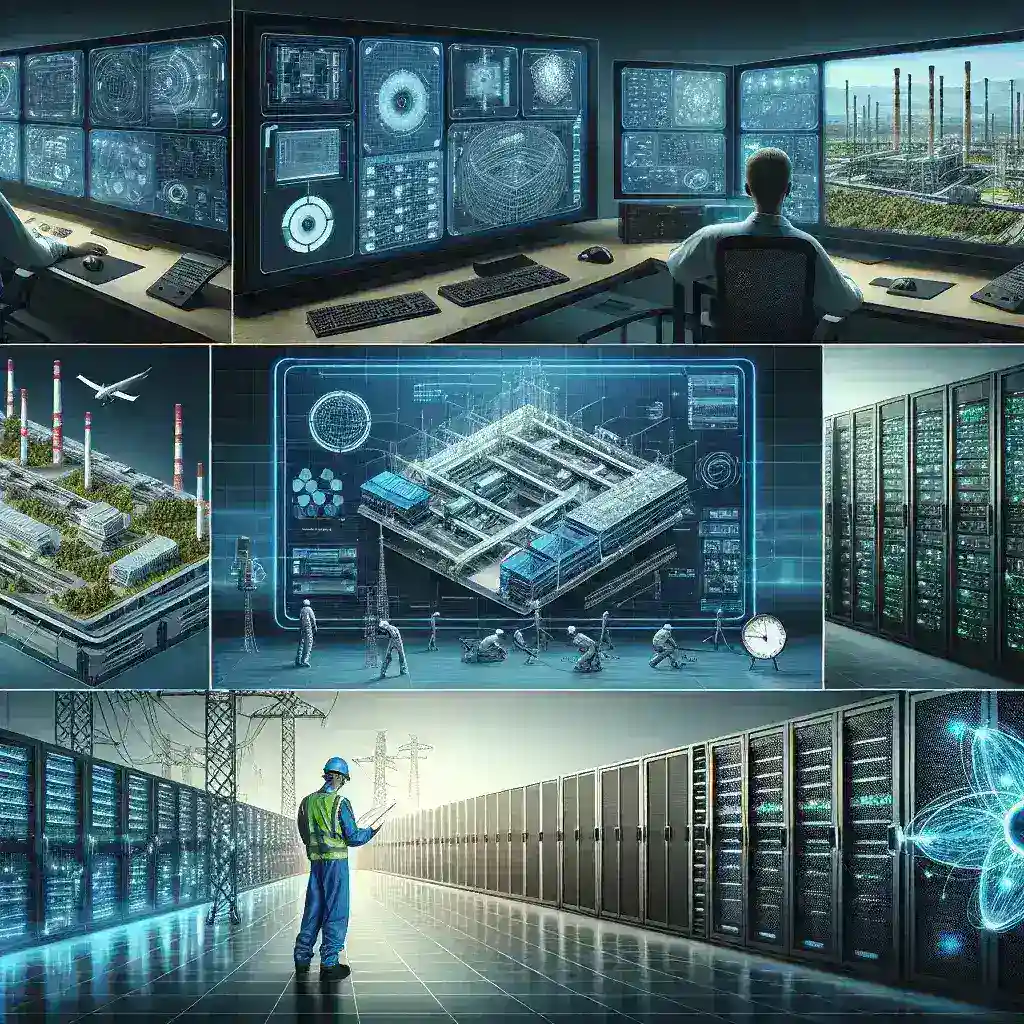
Understanding High-Resolution Infrastructure Telemetry
In today’s rapidly evolving technological landscape, the ability to monitor and analyze infrastructure performance with unprecedented precision has become a critical business imperative. High-resolution infrastructure telemetry represents a paradigm shift from traditional monitoring approaches, offering granular insights into system behavior, performance metrics, and operational patterns that were previously invisible or overlooked.
The concept extends far beyond simple system monitoring, encompassing a comprehensive ecosystem of data collection, processing, and analysis tools that work in harmony to provide real-time visibility into complex infrastructure environments. From cloud-native applications to legacy enterprise systems, modern telemetry solutions deliver the depth of insight necessary to maintain optimal performance, prevent costly downtime, and drive strategic decision-making.
Essential Categories of Infrastructure Telemetry Tools
Application Performance Monitoring (APM) Solutions
Modern APM platforms have evolved to become sophisticated telemetry engines capable of capturing millions of data points per second. These tools excel at providing end-to-end visibility across distributed applications, microservices architectures, and complex transaction flows. Leading solutions in this category include Dynatrace, New Relic, and AppDynamics, each offering unique approaches to application instrumentation and performance analysis.
The power of contemporary APM lies in its ability to automatically discover application dependencies, map service interactions, and correlate performance issues across multiple layers of the technology stack. Advanced machine learning algorithms embedded within these platforms can predict performance degradations before they impact end users, enabling proactive remediation strategies.
Infrastructure Monitoring Platforms
While application-focused tools provide valuable insights, comprehensive infrastructure monitoring platforms offer a broader perspective on system health and resource utilization. Tools like Prometheus, Grafana, and DataDog specialize in collecting metrics from servers, networks, databases, and cloud services, presenting this information through intuitive dashboards and alerting mechanisms.
These platforms excel at handling time-series data at scale, supporting millions of metric ingestion points while maintaining query performance and data retention policies that align with business requirements. The integration capabilities of modern infrastructure monitoring tools allow organizations to create unified observability platforms that span multiple technology domains.
Network Performance Analysis Tools
Network infrastructure represents the backbone of modern digital operations, making specialized network telemetry tools essential for maintaining optimal connectivity and performance. Solutions like SolarWinds, PRTG, and Wireshark provide deep packet inspection capabilities, bandwidth analysis, and network topology mapping that enable administrators to identify and resolve connectivity issues before they impact business operations.
Advanced network telemetry tools incorporate machine learning algorithms to establish baseline performance patterns and automatically detect anomalies that might indicate security threats, configuration errors, or capacity limitations. The ability to correlate network performance data with application metrics provides a holistic view of system interdependencies.
Emerging Technologies in Telemetry
Artificial Intelligence and Machine Learning Integration
The integration of AI and ML capabilities into telemetry platforms represents one of the most significant technological advances in infrastructure monitoring. These technologies enable predictive analytics, automated anomaly detection, and intelligent root cause analysis that dramatically reduce the time required to identify and resolve performance issues.
Machine learning algorithms can analyze historical performance patterns to establish dynamic baselines that adapt to changing usage patterns, seasonal variations, and business growth. This approach eliminates the need for static thresholds that often generate false positives or miss subtle performance degradations.
Edge Computing and IoT Telemetry
As organizations increasingly deploy edge computing resources and IoT devices, specialized telemetry tools designed for distributed environments have become essential. These solutions must handle intermittent connectivity, limited bandwidth, and resource constraints while still providing comprehensive monitoring capabilities.
Edge telemetry platforms often incorporate data aggregation and filtering capabilities that reduce the volume of data transmitted to central monitoring systems while preserving critical performance insights. This approach enables real-time decision-making at the edge while maintaining centralized visibility and control.
Implementation Strategies and Best Practices
Data Collection and Instrumentation
Successful implementation of high-resolution telemetry begins with comprehensive instrumentation strategies that capture relevant metrics without introducing significant performance overhead. Modern applications should be designed with observability in mind, incorporating structured logging, distributed tracing, and custom metrics that provide insights into business-critical processes.
The selection of appropriate sampling rates and data retention policies requires careful consideration of storage costs, query performance requirements, and compliance obligations. Organizations must balance the desire for comprehensive data collection with practical constraints around infrastructure costs and data management complexity.
Alert Management and Incident Response
Effective telemetry implementations must include sophisticated alerting mechanisms that minimize noise while ensuring critical issues receive immediate attention. This requires careful tuning of alert thresholds, implementation of alert correlation rules, and integration with incident management workflows.
Modern telemetry platforms support multi-channel alerting that can route notifications through email, SMS, chat platforms, and automated ticketing systems based on severity levels and escalation policies. The integration of telemetry data with incident management tools enables faster resolution times and improved post-incident analysis capabilities.
Industry-Specific Applications
Financial Services
The financial services industry has unique requirements for infrastructure telemetry, including strict regulatory compliance, ultra-low latency requirements, and 24/7 availability expectations. Specialized tools in this sector must provide audit trails, support for regulatory reporting, and the ability to monitor complex trading systems and risk management platforms.
High-frequency trading environments require telemetry solutions capable of capturing microsecond-level timing data and correlating this information with market data feeds and order execution systems. The ability to analyze performance patterns across multiple geographic regions and trading venues is essential for maintaining competitive advantages.
Healthcare and Life Sciences
Healthcare organizations face unique challenges related to patient safety, data privacy, and system reliability that influence their telemetry requirements. Medical device monitoring, electronic health record system performance, and clinical workflow optimization all require specialized approaches to data collection and analysis.
Telemetry tools in healthcare environments must comply with HIPAA regulations and other privacy requirements while providing the visibility necessary to ensure patient safety and operational efficiency. Integration with clinical systems and medical devices requires specialized protocols and security measures.
Future Trends and Considerations
Cloud-Native and Serverless Architectures
The continued adoption of cloud-native architectures and serverless computing models is driving the development of new telemetry approaches that can handle ephemeral infrastructure and event-driven processing models. Traditional monitoring tools designed for static infrastructure must evolve to support these dynamic environments.
Serverless telemetry requires new approaches to data collection that can capture performance metrics from short-lived functions and correlate this information across complex event chains. The integration of telemetry capabilities directly into cloud platforms is becoming increasingly important for organizations adopting these technologies.
Sustainability and Green IT
Environmental considerations are becoming increasingly important in infrastructure management, driving demand for telemetry tools that can monitor energy consumption, carbon footprint, and resource utilization efficiency. These capabilities enable organizations to optimize their environmental impact while maintaining performance requirements.
Green IT telemetry tools provide insights into power consumption patterns, cooling efficiency, and resource utilization that enable data center operators to reduce their environmental footprint while maintaining service levels. The integration of sustainability metrics with traditional performance monitoring creates opportunities for holistic optimization strategies.
Conclusion
The landscape of high-resolution infrastructure telemetry continues to evolve rapidly, driven by increasing system complexity, growing performance expectations, and the need for proactive operational management. Organizations that invest in comprehensive telemetry strategies and tools position themselves to maintain competitive advantages through superior system reliability, performance optimization, and operational efficiency.
Success in implementing these tools requires careful consideration of organizational requirements, technical constraints, and long-term strategic objectives. The integration of artificial intelligence, machine learning, and advanced analytics capabilities will continue to transform how organizations monitor, analyze, and optimize their infrastructure environments.
As we look toward the future, the convergence of telemetry data with business intelligence, customer experience metrics, and operational analytics will create new opportunities for organizations to drive innovation and maintain competitive positioning in an increasingly digital world. The investment in sophisticated telemetry capabilities today will determine an organization’s ability to adapt and thrive in tomorrow’s technology landscape.